









The agent harness
for systems engineering.

Accelerate the deployment of safety-critical autonomous systems.

Workbench · 2,448,400 tok · 48 tools
09:14:02agentopen run #21  gap_analysis
09:17:38JAMAGET  /v1/items?hazard=HAZ-*
↳47 hits  · HAZ-004 has 0 linked reqs
09:23:14JiraJQL  defects status ≠ closed
↳4 found  · 2 blocking · DEF-019 critical
09:31:07consultMIL-STD-882E §4.5  gap-analysis criteria
09:46:51citeflight_ctrl/landing.c:412
10:02:18proposeHAZ-027 v3 → FM-211 · TLM-04
10:14:09routereviewer: K. Park (FSE)
10:14:25prioritize87 changes ranked · 4 flagged for review
10:14:33awaitengineer feedback▍
Built by engineers from
MIT Amazon Waymo Tesla Applied Intuition Wisk Aero Rivian Y Combinator Ford Motional Skydio Google DeepMind

A team of five systems engineers can act like 20 today. Tomorrow, they will be able to act like 200.

American Flag
Designed and built in America.

Deployment highlights.

Upcoming case studies.

Accelerating speed to capability for Launched Effects.

A leading defense team is advancing systems engineering for autonomous and software-heavy systems, with Nema running on-prem inside their ITAR boundary. They’re setting a new standard for completeness, accuracy, and end-to-end traceability. That means new capability gets to the warfighter faster and with more confidence.
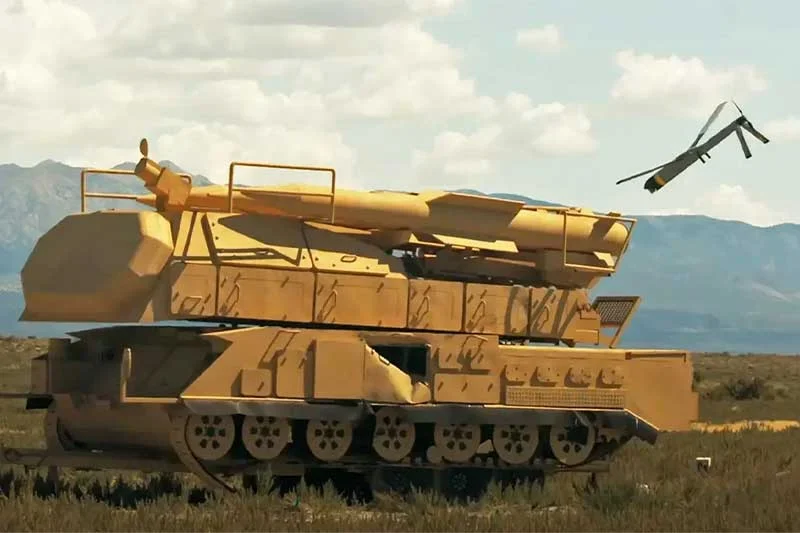
Loitering munition in flight above a test range

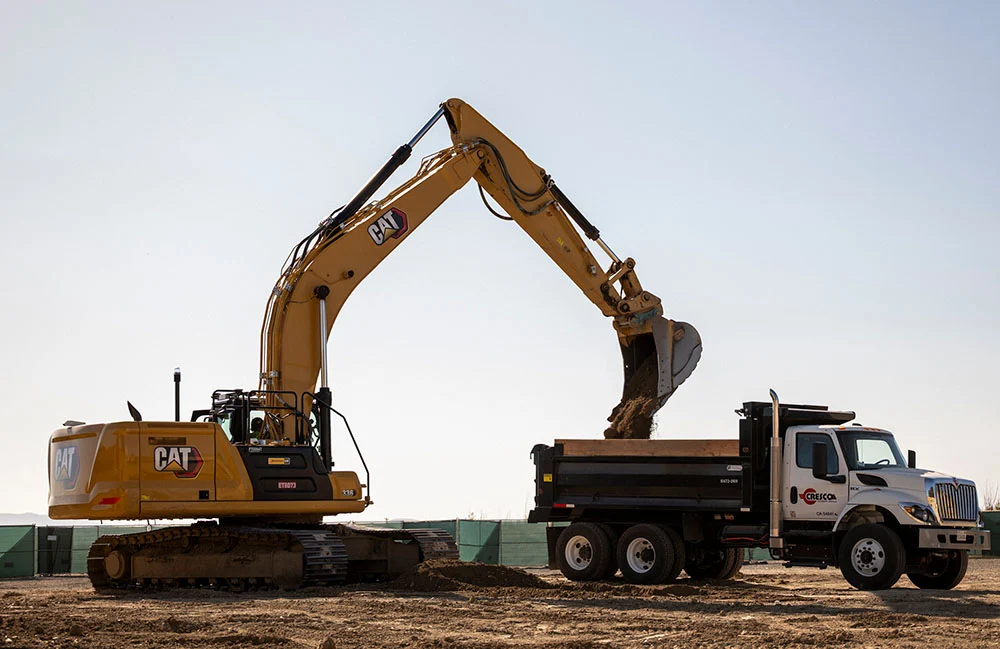
Raising the bar for safety in autonomous heavy equipment.

A construction autonomy team is transforming heavy equipment. With Nema agents working directly in their codebase and automating time-intensive systems engineering tasks, their engineers can focus on critical design decisions. With that extra capacity, the team can scale safely across more machines and job sites.

Excavator loading a dump truck on a construction site